
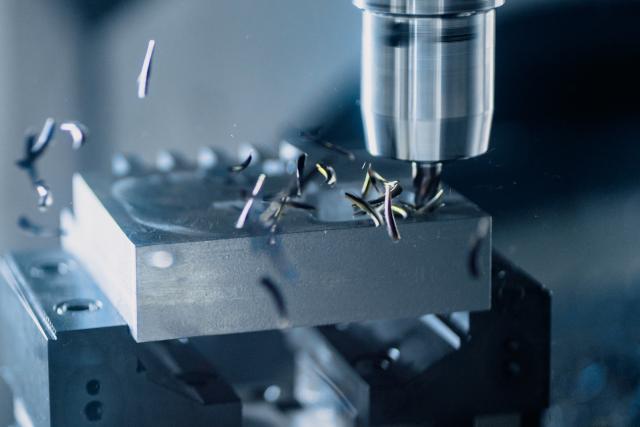
In modern machining, oils, coolants and filtration systems are just as important as machines, tools and workholding.
The right metalworking oil or coolant, combined with effective filtration, has a direct impact on:
• Tool life and surface finish
• Process stability and machine uptime
• Operator health, safety and the working environmentLeading suppliers show that
metalworking fluids and filtration are not just consumables, they are strategic tools that influence productivity, cost per part and compliance.
Why oils and filtration matter for each role.
For the Hands-On Operator
• A cleaner, safer workplace with less oil mist and odour
• More stable cutting behaviour and fewer surprises when tools enter the cut
• Less time spent dealing with foam, sticky residues or dirty windows
For the Operational Optimizer
• Longer tool and coolant life, fewer unplanned stops
• More predictable processes, fewer tolerance and surface problems
• Easier compliance with health, safety and environmental requirements
For the Strategic Owner
• Lower total cost of ownership through reduced consumable use and scrap
• Higher machine utilisation and more reliable delivery performance
• A cleaner, more attractive working environment that supports recruitment and retentio
Cutting oils and metalworking fluids.
Metalworking fluids (cutting oils and water-miscible coolants) perform three main tasks:
1. Lubrication: reduces friction and tool wear
2. Cooling: carries heat away from the cutting zone
3. Flushing: removes chips and fines from the machining area
Blaser Swisslube refers to the coolant as a “Liquid Tool”, something that can improve precision, tool life and surface finish while also helping protect operators and the environment.
Typical fluid types include:
Straight cutting oils
• High lubricity and good for heavy cutting, broaching, deep-hole drilling and grinding
• Can deliver very high surface quality when matched to the material and process
Water-miscible coolants (emulsions and synthetics)
• Strong cooling and flushing effect
• Well-balanced products offer good cleaning, material compatibility and operator comfort
Choosing the right fluid and maintaining it correctly can significantly increase tool life and reduce thermal distortion in the part
Coolant and oil filtration systems.
As the machine runs, coolants collect chips, fines and tramp oil. Without filtration, you quickly see:
• More tool wear and unstable surface finish
• Clogged nozzles and poor chip evacuation
• Smell, foam and bacteria issues in the tank
Specialists like Losma have built complete ranges of coolant and oil filtration systems for machine tools since the 1970s.
Modern coolant filtration solutions can include:
• Gravity or pressure filters for chips and fines
• Magnetic separators for ferrous particles
• Multi-stage systems combining mechanical and depth filtration for fine grinding and high-precision work
The benefits are clear:
• Longer coolant life and lower disposal costs
• More stable machining conditions and better repeatability
• Cleaner tanks, fewer maintenance interventions and less downtim
Air filtration and oil mist collectors.
Coolants and oils don’t just stay in the tank, they create oil mist, smoke and vapours that can affect air quality around the machines.
Losma designs oil mist collectors and air filtration units that:
• Capture oil mists, micro-mists, fumes and smoke from machining processes
• Offer filtration efficiencies up to around 99.97%, depending on configuration
• Can be mounted directly on machines or installed centrally for multiple systems
For operators, that means cleaner air and better visibility. For management, it simplifies compliance with occupational health regulations and reduces cleaning effort in the workshop
Protecting machines, workholding and components.
Clean oil and coolant are not only about cutting, they also protect machines, workholding and parts.
• Sealed workholding systems, such as hermetically sealed chucks, keep chips, dust and coolant out of internal mechanisms, reducing wear and maintenance.
• Stable lubrication and clean coolant reduce corrosion on machine components and fixtures.
• Consistent fluid quality helps maintain tight tolerances and surface requirements, especially in grinding and finishing.
In other words: a good oil and filtration strategy protects the entire value chain, from tool and machine to finished part.
Key benefits of a structured oils and filtration strategy.
Putting oils and filtration on the agenda brings concrete, measurable gains:
Higher process stability
• Fewer surprises due to foaming, smell or sudden tool wear
• More predictable results across shifts and materials
Better economics
• Extended tool and coolant life
• Lower scrap and rework, fewer unscheduled stops
Improved working environment
• Less oil mist and smoke
• Cleaner machines, floors and windows
Simpler maintenance and compliance
• Easier to keep machines within spec
• Better documentation of fluids and filters over time
Oils and filtration in your production
Whether you run a few standalone machines or a fully automated cell, oils and filtration have a direct impact on uptime, quality and cost per part.
If you experience:
• Frequent tool failures or inconsistent surface finish
• Coolant problems such as smell, foam or corrosion
• Visible oil mist and dirty air around the machines
…then it may be time to review your oils and filtration setup.
By treating oils and filtration as part of your production strategy rather than just consumables, you give operators more stable processes, production managers stronger KPIs and owners a safer, more profitable investment in machining capacity